





Shifting networks in Southeast Asia: Redefining supply chains
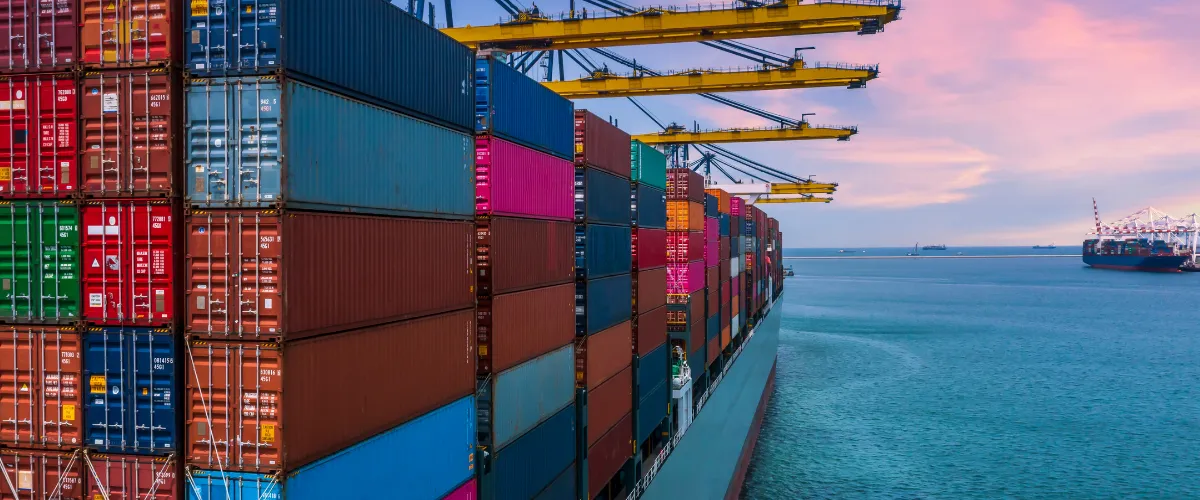
Southeast Asia’s logistics model is undergoing a structural reset. For decades, supply chains were designed around a small number of dominant gateways, with Singapore acting as a central coordination point and production concentrated in cost efficient locations.
That model is now giving way to something more distributed. Across Southeast Asia, supply chains are evolving from singular central hubs to connected networks shaped by changing trade flows, rising domestic demand, and the accelerating pace of ecommerce.
With Asia Pacific accounting for 39% of global logistics spend, it continues to play a major role in global trade. At Toll, we are seeing this shift play out across customer networks in Asia, where businesses are looking for logistics partners that can connect more markets, provide greater visibility, and support faster decisions across increasingly distributed supply chains.
Let’s look at what’s driving the change in supply chains within Asia.

From central hubs to interconnected regional networks
The shift from centralised hubs to distributed networks is being driven by the way companies now think about both risk and growth. Businesses are increasingly positioning manufacturing and distribution closer to end markets as consumer demand within Asia expands. In 2025, intra-regional trade accounted for 53% of exports and 56% of imports in APAC, reinforcing the region’s interdependence. This is already changing the geography of production. Vietnam and Indonesia are taking on more high-volume final assembly such as in consumer electronics and semiconductor packaging, while Malaysia and Thailand are moving up the value chain into automotive and technology manufacturing.
At the same time, traditional hub reliance is evolving. Established centres such as Singapore are being complemented by more direct cross border routes that move goods between markets without passing through a single gateway.
The current supply chain environment is increasingly being disrupted by geopolitical events. During this time, businesses must reshape their supply chain, so they are adaptable.
This has resulted in businesses adopting a network system that is broader, more connected, and more responsive to disruption. Our expanding presence across Asia, including growing hubs in Malaysia, Indonesia, India and Vietnam, supports customers as they move away from single-market dependency and build more connected regional networks.
Ecommerce is accelerating decentralisation
Beyond market disruption, ecommerce is intensifying this shift by changing how fulfilment networks are designed. Customer expectations have moved rapidly, with delivery windows shrinking from weeks to days across many markets. To meet these expectations, businesses are distributing inventory across multiple centres closer to end consumers. This is contributing to a more fragmented but responsive logistics landscape. As ecommerce demand grows, the need for connected, multi-modal networks is becoming more acute.


Network complexity is increasing across all modes
This network transformation is visible across sea, air, and land. Volatility in maritime routes has intensified due to geopolitical disruption and air cargo demand continues to grow. Warehousing is also evolving, with increased automation and more compact, vertically integrated designs enabling operators to scale efficiently in response to fluctuating demand. Collectively, these shifts are transforming supply chains into more connected networks that require greater coordination and control. This is increasing demand for logistics models that can flex across ocean, air, road and warehousing. Our multi-modal capability, supported by route optionality and visibility tools, helps customers adjust more quickly when capacity, cost or timing pressures shift.
A network designed for growth and uncertainty
Supply chains across Southeast Asia are now being shaped by both opportunity and volatility. Geopolitical shifts, tariff changes, and climate risks are driving diversification, while strong domestic demand continues to create new trade corridors. Businesses are responding by building more resilient networks that prioritise flexibility and visibility across multiple markets. This approach reflects a clear reality. Efficiency alone is no longer sufficient. Adaptability is becoming the defining capability in supply chain design. Visibility is central to this shift. As networks become more distributed, businesses need to understand not only where goods are, but where exceptions are emerging and what decisions need to be made. Our end-to-end visibility solutions, such as iCON, help turn fragmented supply chain movements into clearer, more actionable information.

Partnering with Toll
On how we’ll support this shift for customers, Jonathon Kottegoda-Breden, President of Asia Logistics elaborates:

“We’re already aligning our network to this new operating environment. Recently celebrating 25 years in Asia, we have cemented our commitment to the region, expanded our regional footprint and are generating roughly one third of our global revenue [RW1.1]from Asia in 2025.
"Our model reflects the move toward more distributed networks. Investments in cross border connectivity, key growth segments, real time visibility, and integrated control towers enable customers to operate across multiple nodes rather than relying on single hubs.
As Southeast Asia’s networks continue to evolve, this combination of regional depth and operational flexibility positions Toll to help customers navigate a more connected, yet more demanding, supply chain landscape."
Access industry insights
Stay up to date with our supply chain experts
